Laser Cut Laptop Stand
Laser Cut Laptop Stand
For this prototype I chose to create a laptop stand. The prototype has three main design requirements. First, it had to be laser cut from either flute (cardboard) or chipboard. Secondly, it had to be able to be disassembled and reassembled for transport. Thirdly, it had to be able to hold a 14 inch laptop at a 18° typing angle.
Design Ideation
Design Research
I began by researching exisiting designs available online. In these designs I found three things to be consistent. All the designs utilised a piece to brace the stand across the width of the laptop. Additionally, all designs has a lip on the front edge to hold the laptop in place. Finally, all designs left the space under the laptop empty or added ventilation to ensure proper cooling.
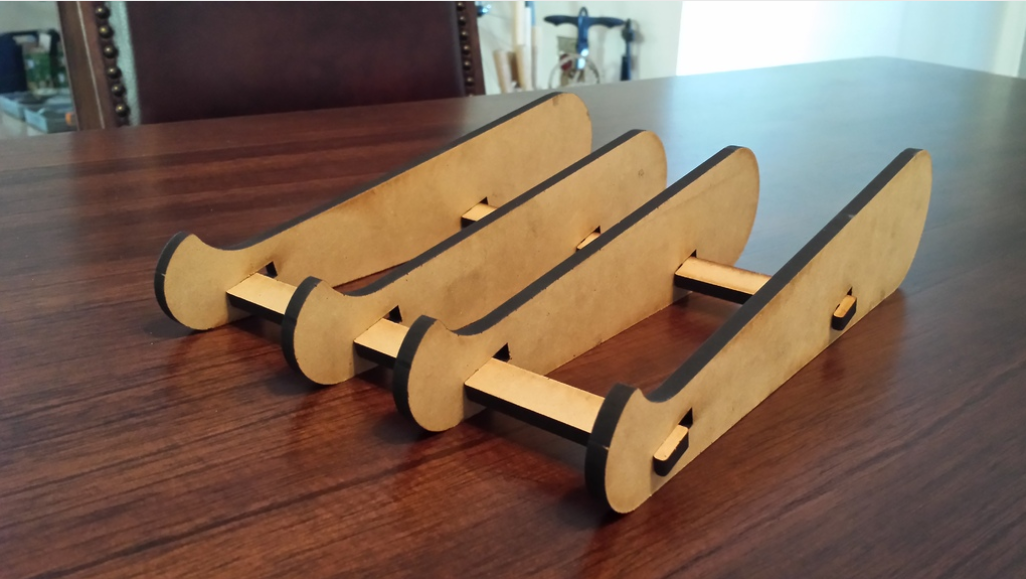
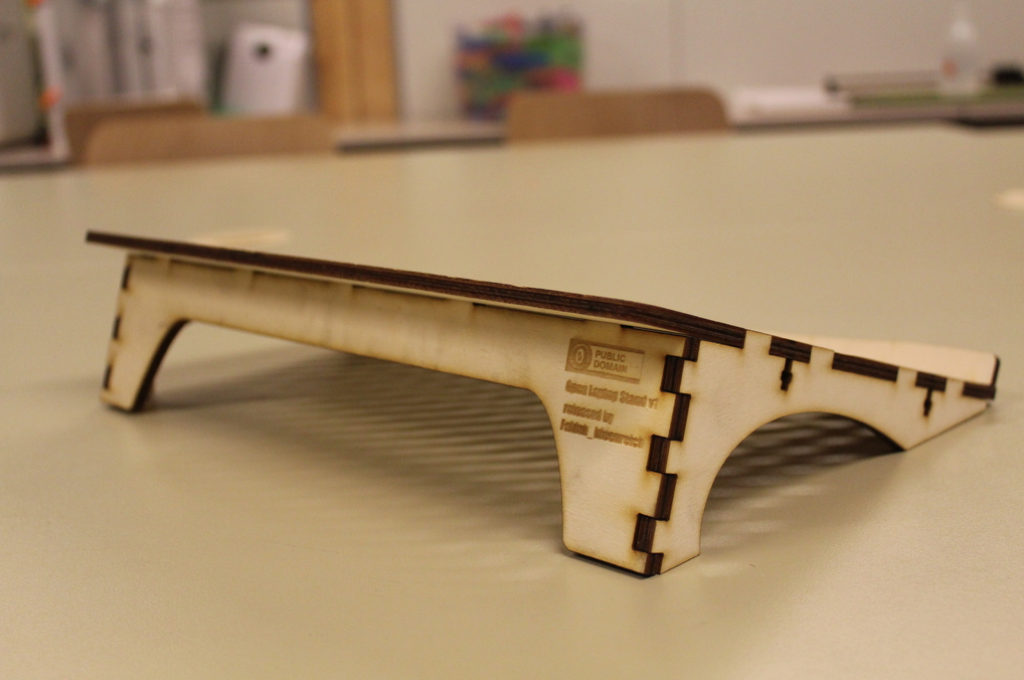
Initial Design Sketches
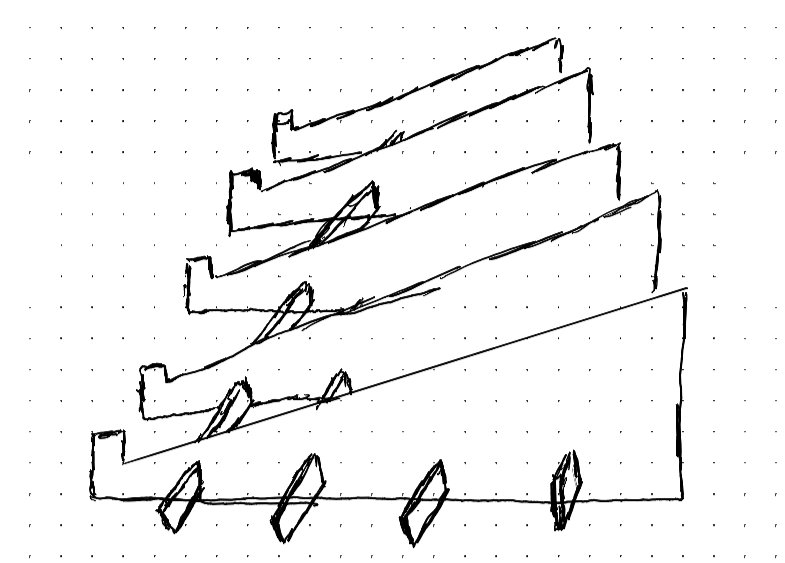
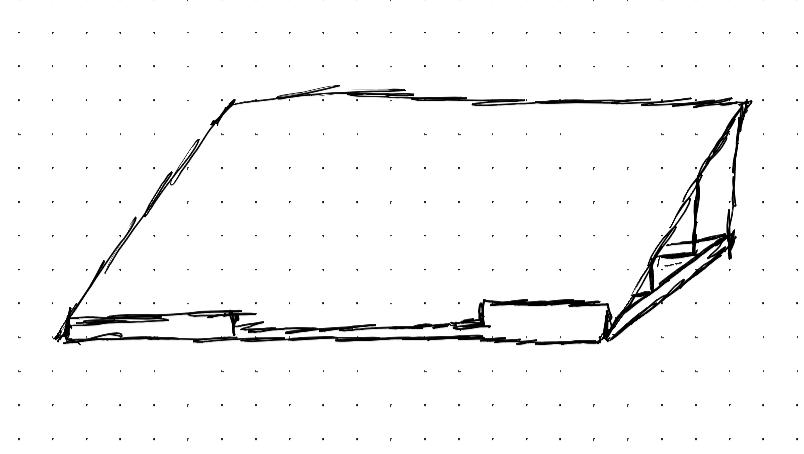
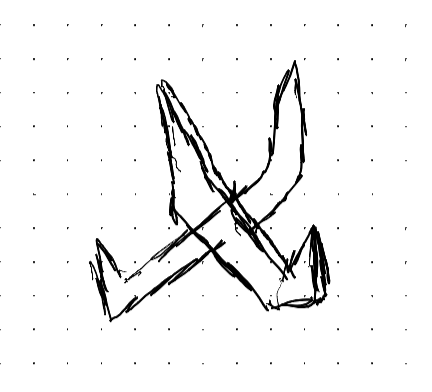
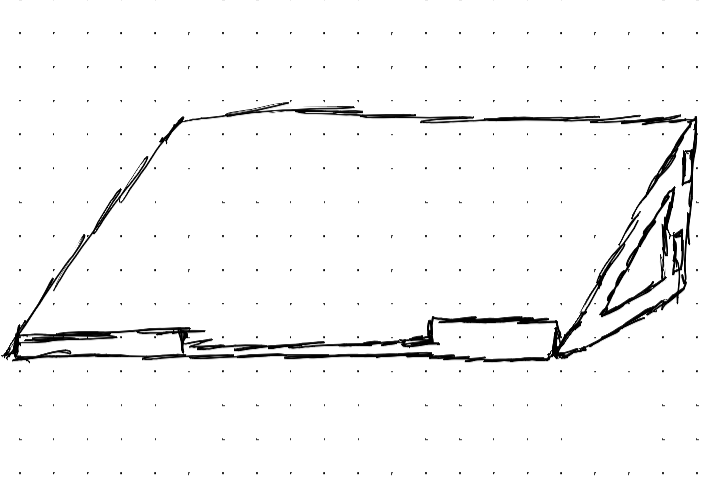
Using the patterns I noticed in researching exisiting designs, I create several design concepts sketching them out.
Initial Prototype
Design Finalisation
From the initial set of design sketches, I selected the design which I believed would be the most stable. I then created more detailed design sketches (shown below) to determine how to size each component to fit the laptop.
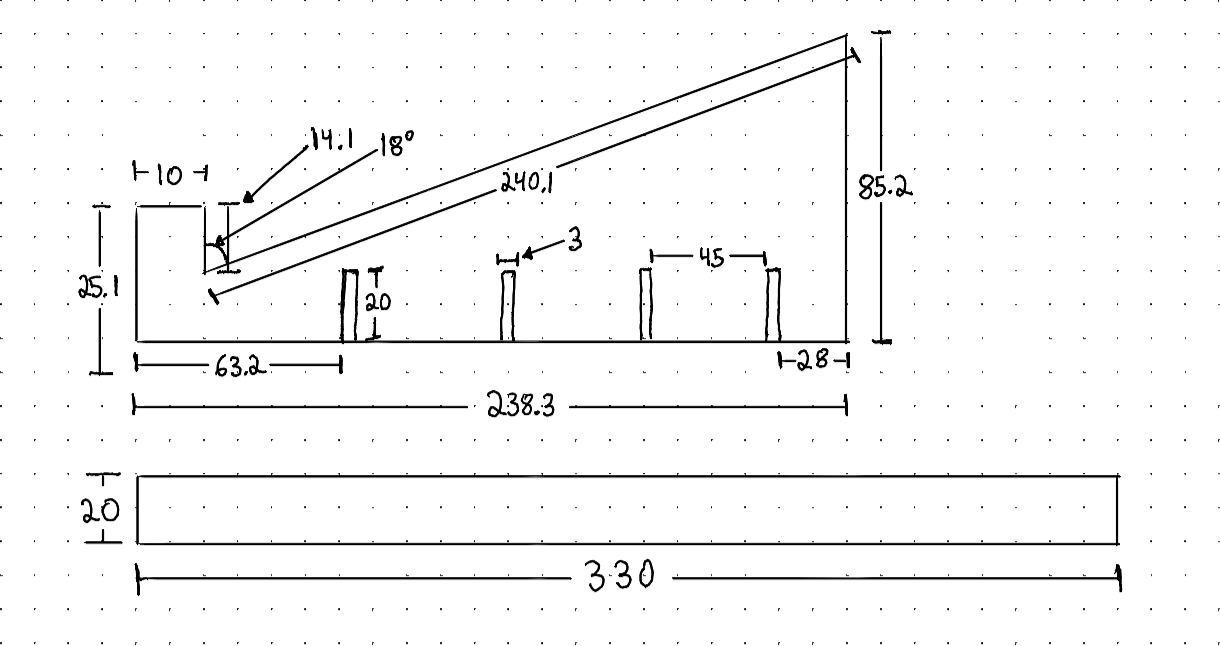
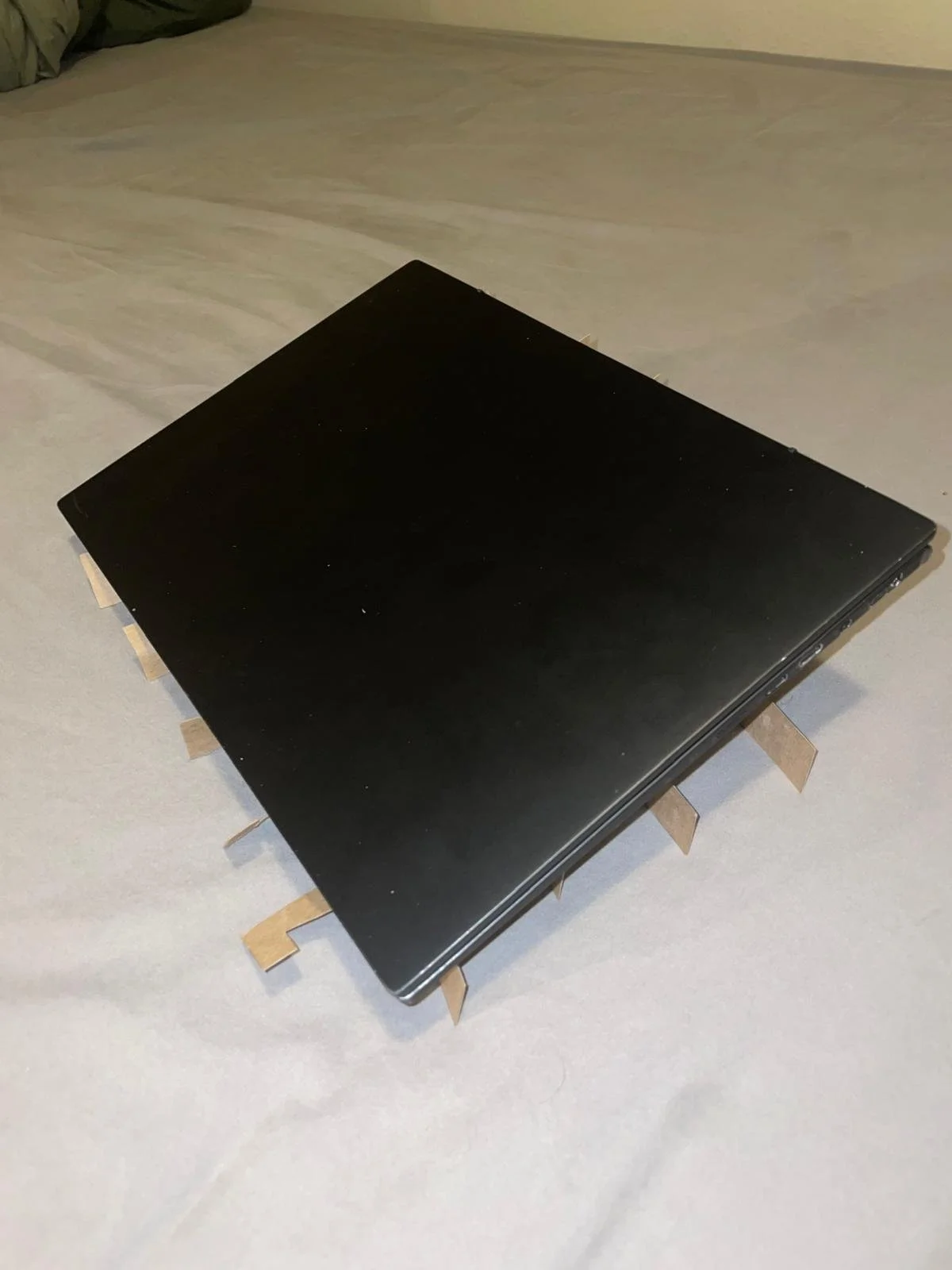
To validate the design, I made a hand cut prototype out of chipboard, a thinner material than what would be used on the final prototype, and tested if it could hold up my laptop.
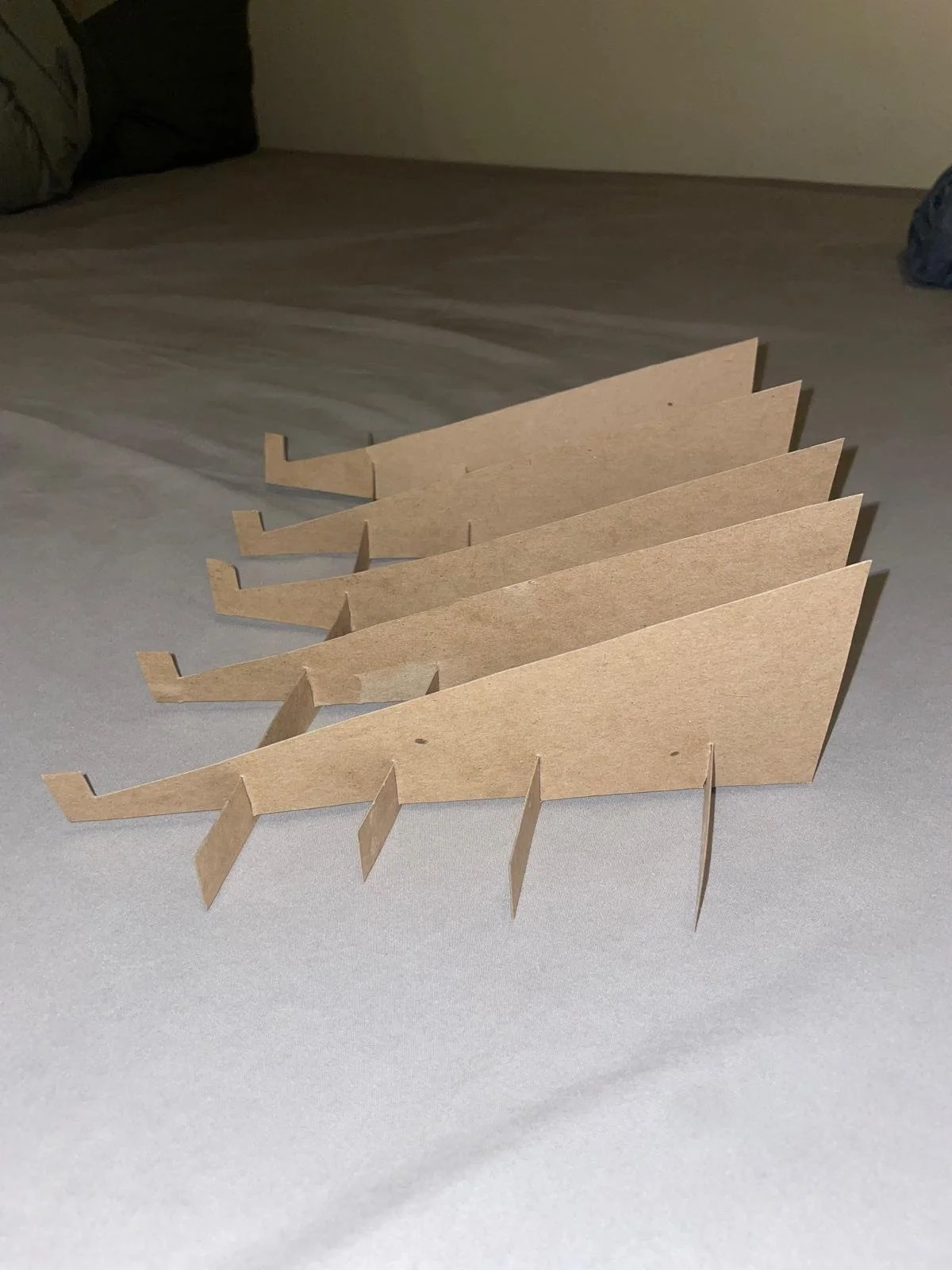
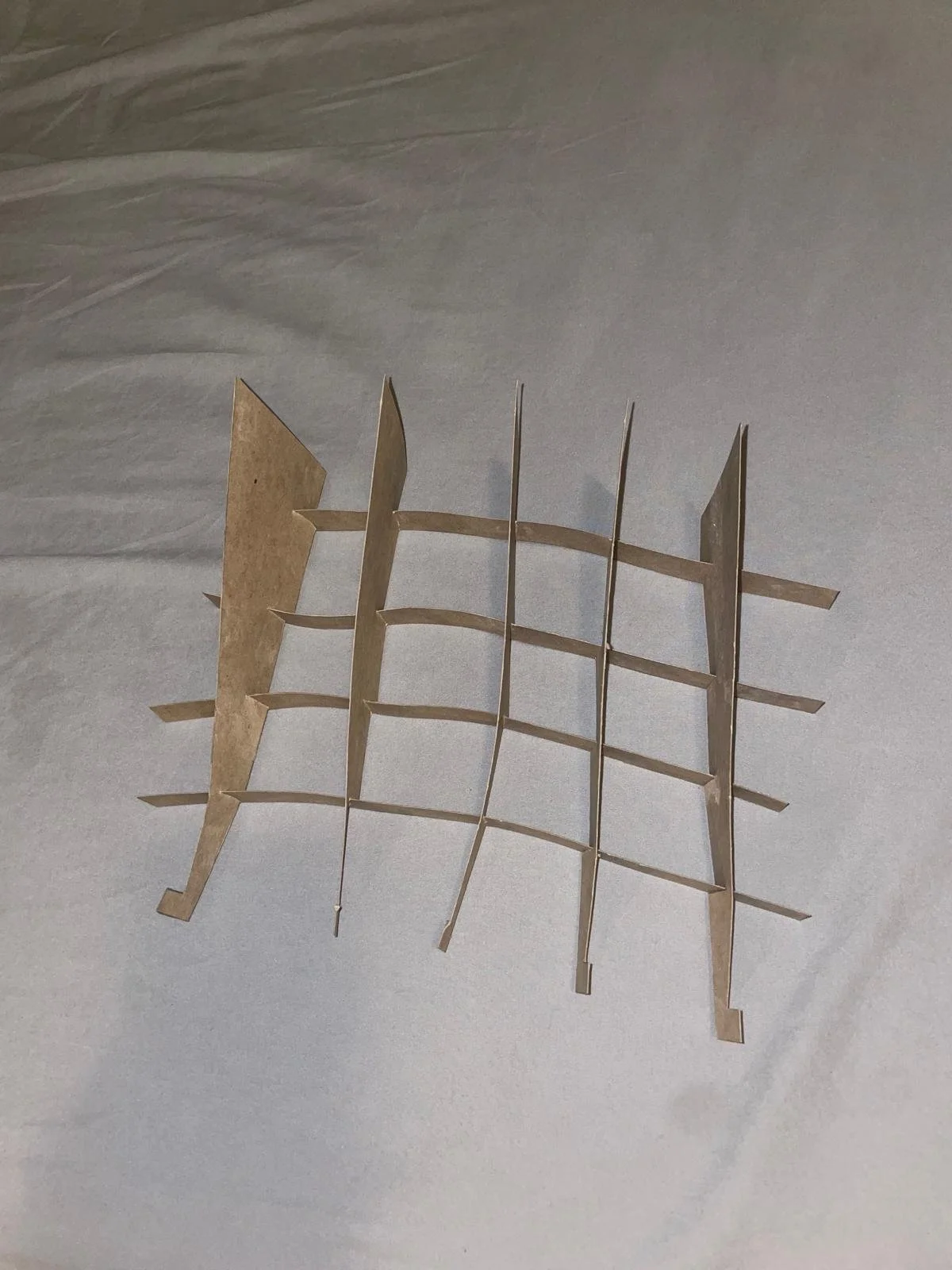
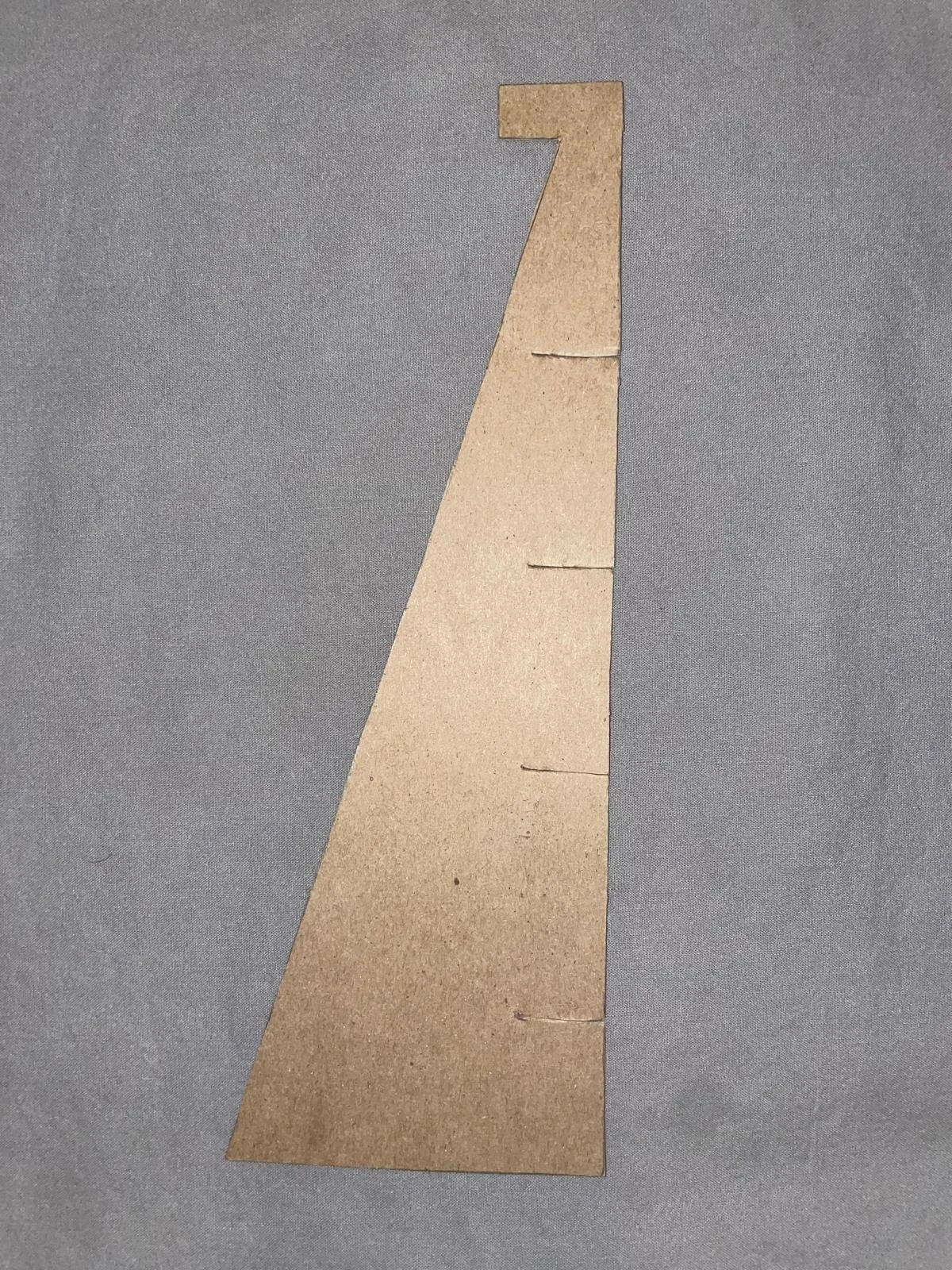
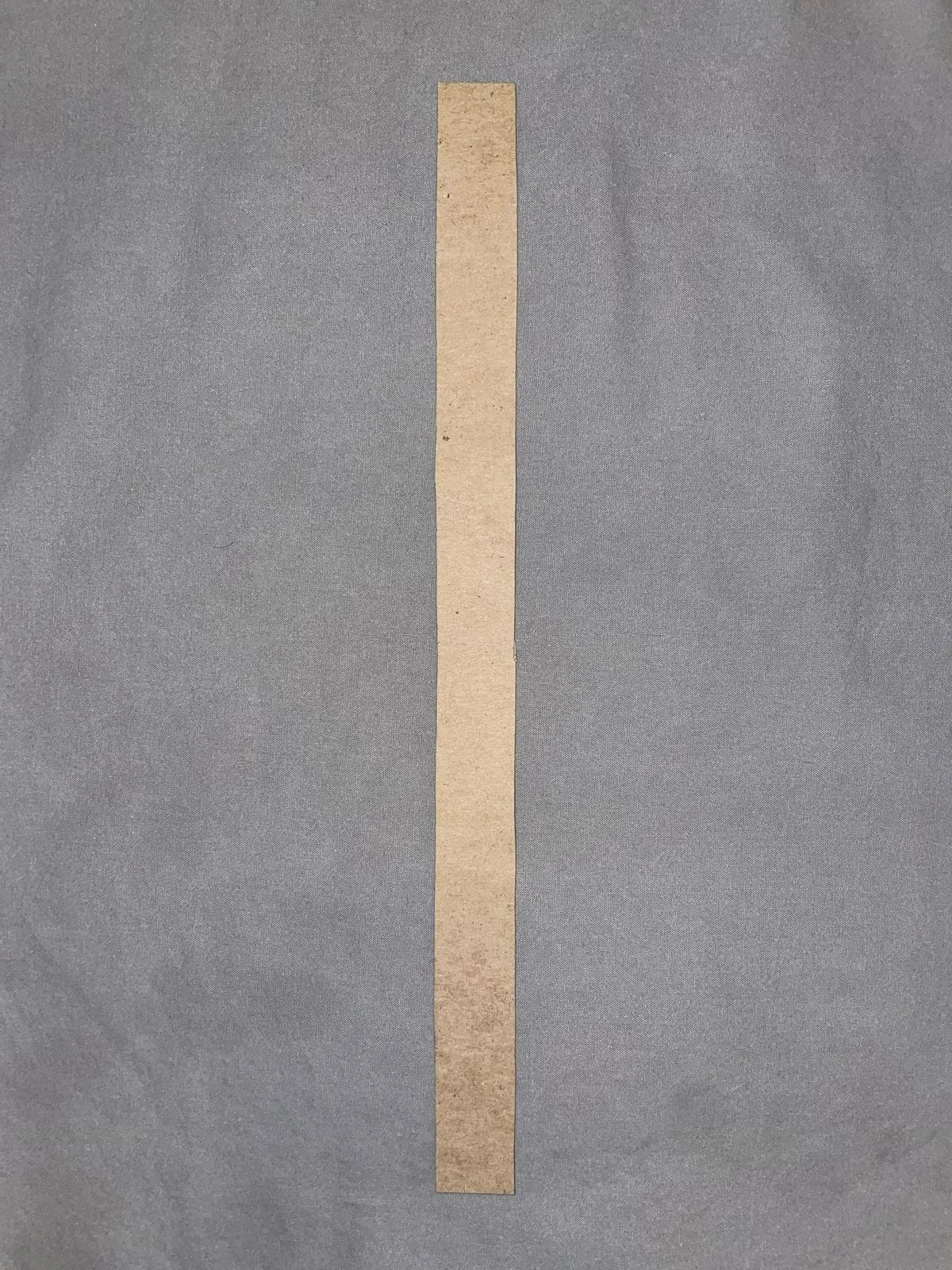
Final Prototype
Moving to Printing
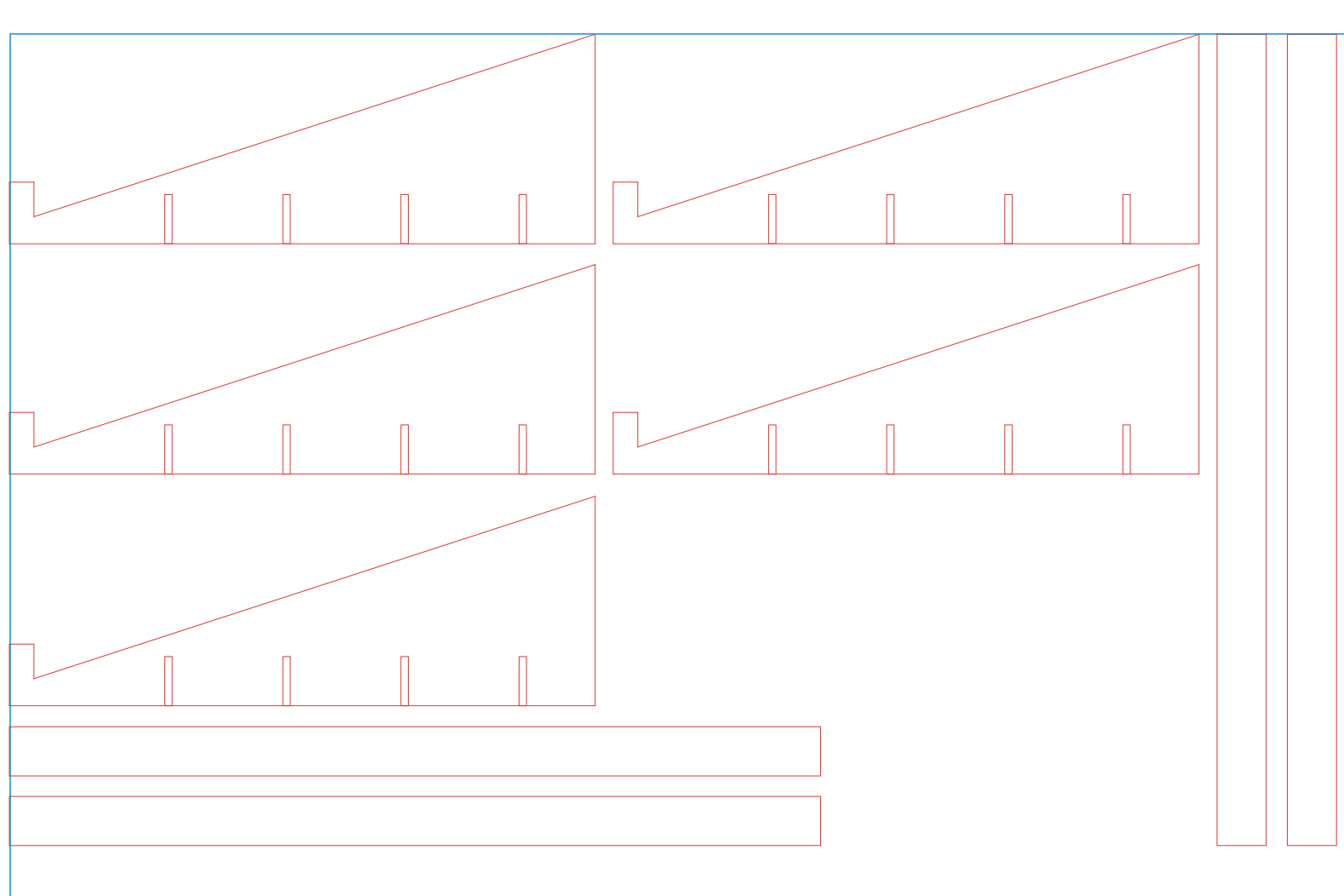
After validating that the selected design works, I recreated the sketches of my design on Affinity, an alternative to Adobe Illustrator. The only change I made was accounting for the thickness of flute in the holes for the crossbeams.
The Final Prototype
-
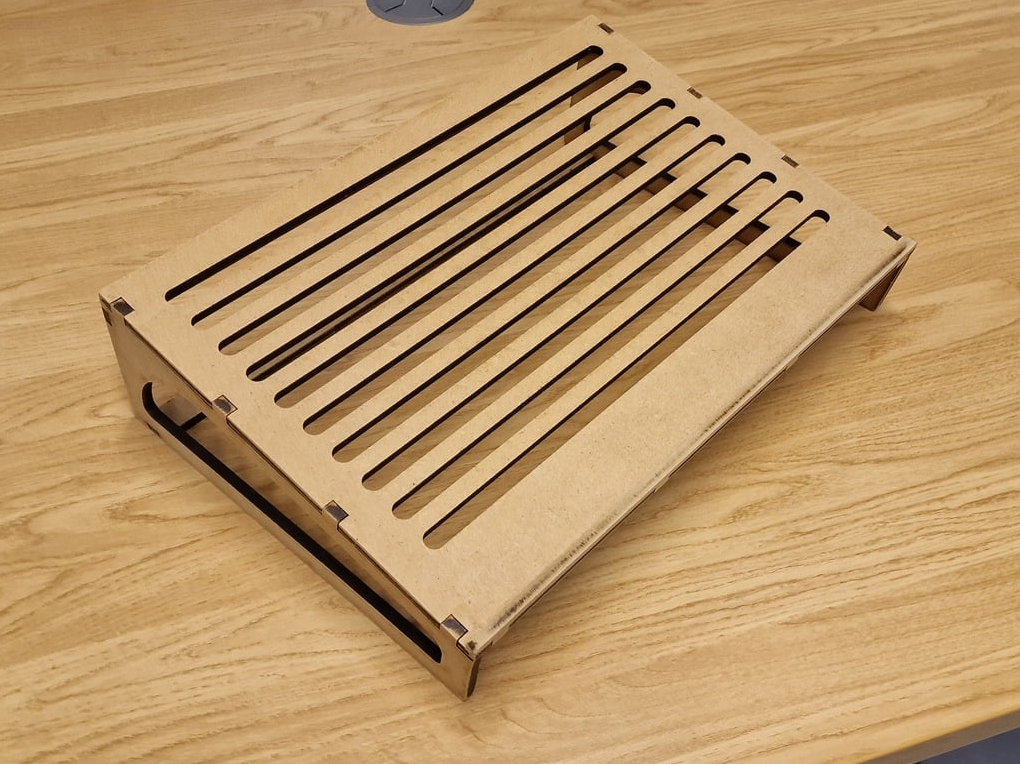
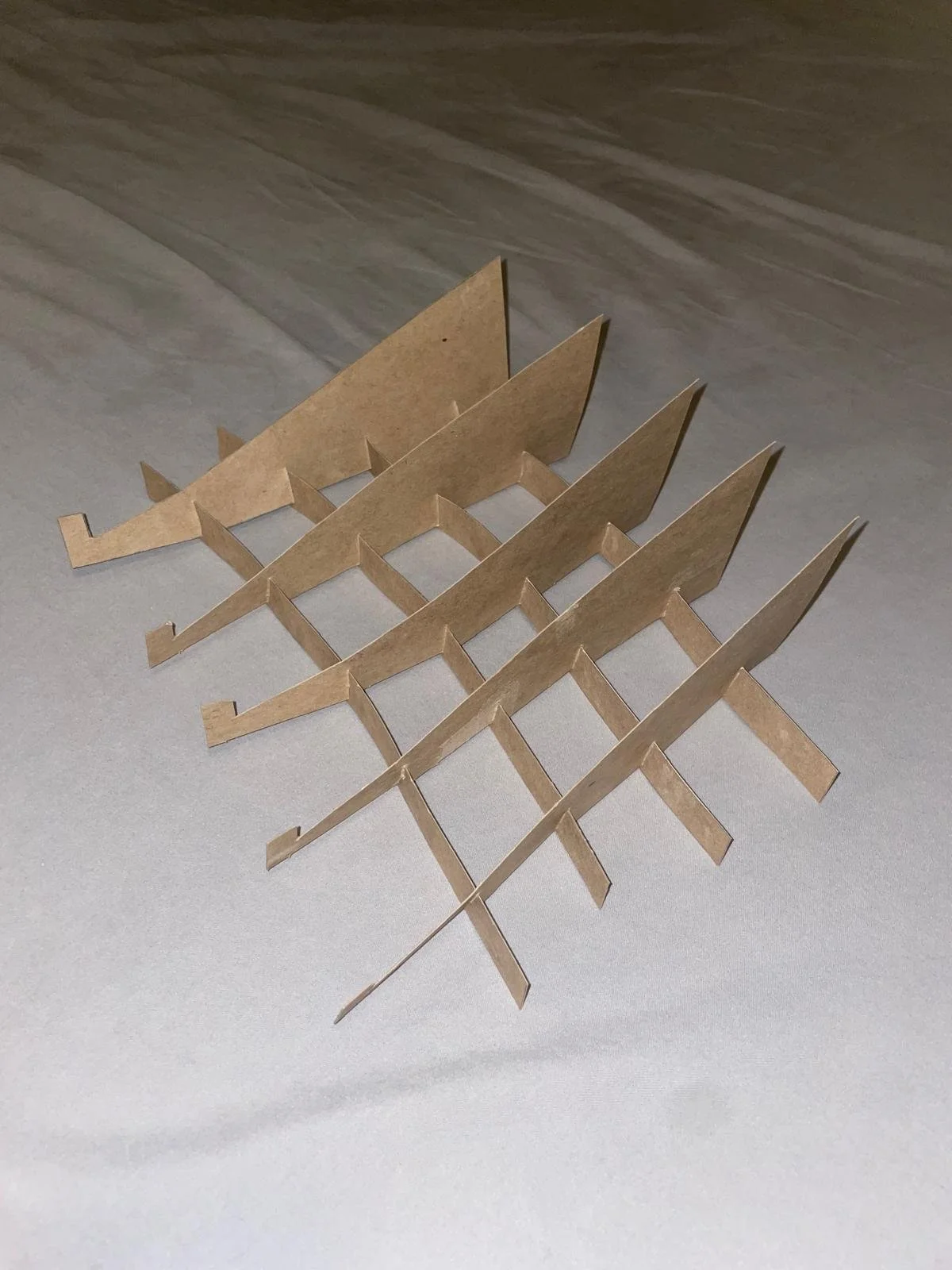
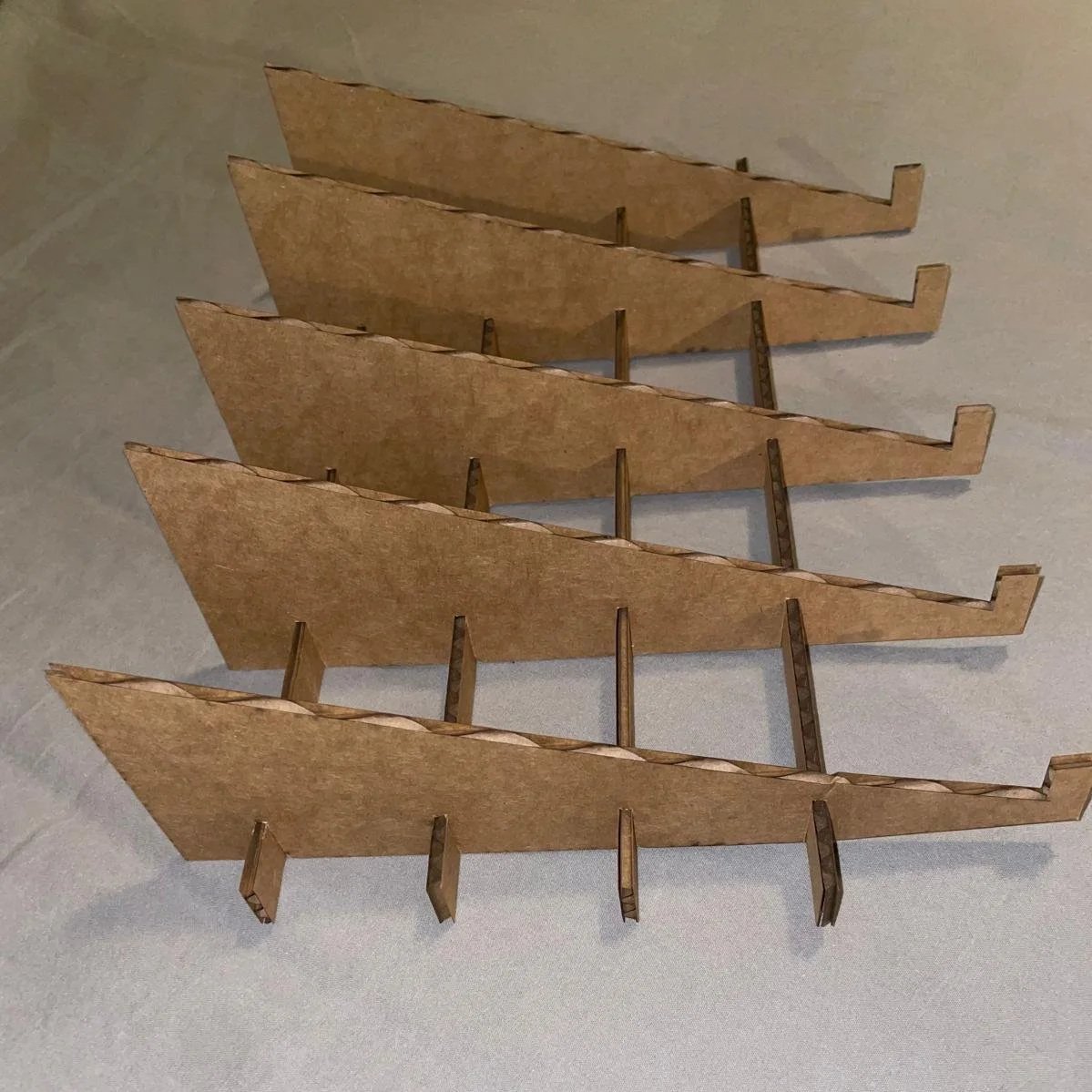
The design can be disassembled into 5 triangular sections and 4 cross beams, allowing for easy transport.
-
The design holds a laptop at an 18° typing angle. Typing angles between 15° to 20° are ideal ergonomically.
-
This design leaves the area under the laptop almost entirely open ensuring that the laptop will remain cool during use.
User Testing
Testing Takeaways
User testing revealed a couple of issues with the design. The first was that the design was overbuilt in that it didn’t require as many pieces as it used. Reducing the total number of components would make it easier to assemble and transport. User testing also showed that the lip at the front edge which kept the laptop in place got in the way of user’s palms when they were typing. A future iteration of this design could remove the lips on the outside pieces only keeping it in the centre to mitigate this issue.
Usability Test
A final usability test ensured that the design met the final requirement of being able to hold a 14 inch laptop at an 18° typing angle.